
In this article:
- Opening Answer
- Tech & SaaS
- Manufacturing
- Construction
- Agriculture
- Surprising Eligible Industries
- What Actually Determines Eligibility
- FAQ
- Next Step
Opening Answer
There is no fixed list of industries that qualify for SR&ED in Canada—what matters is the type of work, not the sector.
If your business is solving technical problems with uncertain outcomes, you may be eligible to recover 15% to 35% of your development costs through the program. For example, a construction firm spending $200,000 testing new material performance under variable conditions could recover $30,000 to $70,000+, depending on eligibility and structure.
The Canada Revenue Agency (CRA) evaluates claims based on technological uncertainty, advancement, and systematic experimentation—not industry labels.
Tech & SaaS
Software companies are among the most frequent SR&ED claimants—but eligibility is often misunderstood.

What Qualifies
- Scaling systems under unpredictable load
- Reducing latency when standard optimization fails
- Building new architectures where outcomes are uncertain
- Solving data consistency issues in distributed systems
Real Example
A SaaS company attempted to reduce API latency across multi-tenant infrastructure.
- Standard caching and scaling didn’t resolve bottlenecks
- Engineers tested multiple concurrency models
- Results varied under real-world conditions
👉 This qualifies due to system-level uncertainty, not just feature development.
What Does NOT Qualify
- Routine feature builds
- UI/UX updates
- Standard integrations
👉 See deeper breakdowns on our software industry page.
Manufacturing
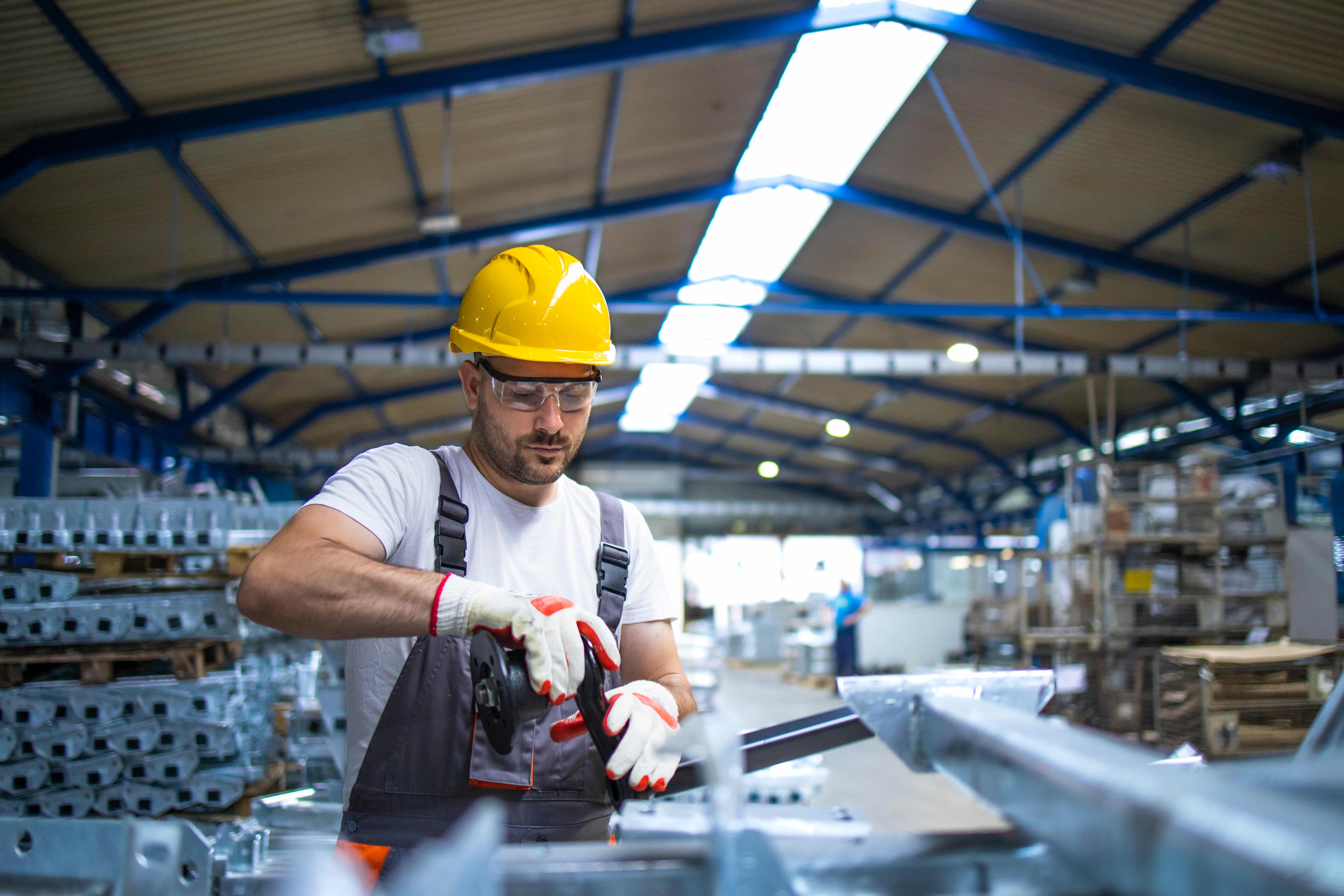
Manufacturers often overlook SR&ED, assuming it only applies to lab research.
In reality, process and production challenges frequently qualify.
What Qualifies
- Improving product consistency under variable conditions
- Developing new production methods
- Reducing defects when causes are unclear
- Testing material behavior under stress
Real Example
A manufacturer faced inconsistent tolerances due to temperature fluctuations.
- Standard adjustments failed
- Engineers ran controlled production trials
- Multiple iterations were required to stabilize output
👉 This is classic experimental development under SR&ED.
👉 Explore more in our manufacturing case studies.
Construction
Construction is one of the most under-claimed industries.
What Qualifies
- Developing new building methods
- Testing material performance in real-world conditions
- Solving structural or environmental constraints
- Custom engineering solutions for unique sites
Real Example
A contractor attempted to implement a new foundation system in unstable soil conditions.
- Standard designs failed
- Engineers tested alternative reinforcement strategies
- Outcomes were uncertain until field-tested
👉 This goes beyond routine construction—it involves technological uncertainty SR&ED.
Agriculture
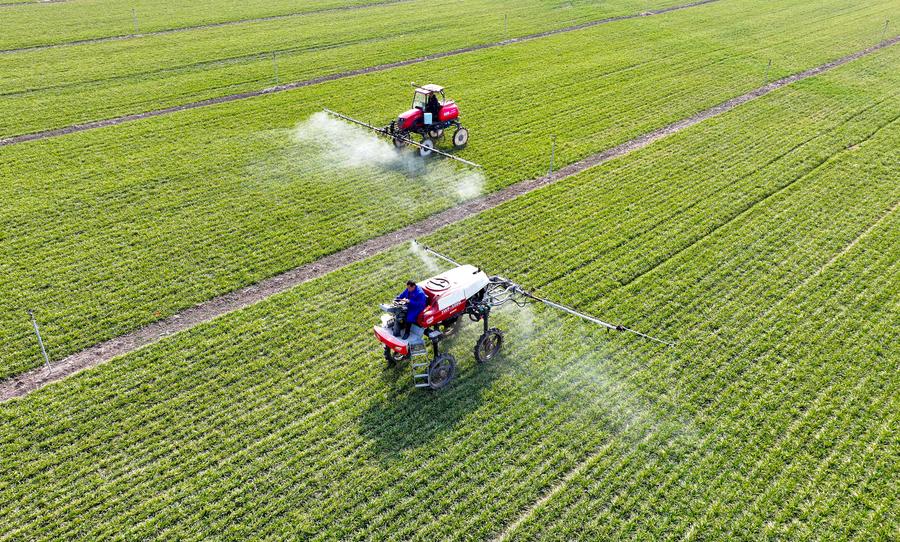
Agriculture and agri-tech companies are increasingly strong SR&ED candidates.
What Qualifies
- Crop optimization under variable environmental conditions
- Soil and nutrient experimentation
- Equipment or process innovation
- Yield improvement under uncertain inputs
Real Example
A farm tested new irrigation techniques to improve yield consistency.
- Standard methods didn’t adapt to soil variability
- Multiple approaches were tested across seasons
- Results required ongoing experimentation
👉 This qualifies when it advances technical understanding, not just farming practices.
Surprising Eligible Industries
Many industries don’t realize they qualify because their work doesn’t “look like R&D.”
Commonly Overlooked Sectors
- Food production (formulation, shelf-life testing)
- Oil & gas services (process optimization under constraints)
- Logistics & supply chain (algorithmic optimization challenges)
- Gaming (performance and rendering challenges)
- Fintech (security, transaction processing constraints)
Real Example: Food Manufacturing
A company attempted to create a shelf-stable product without preservatives.
- Standard methods failed to maintain texture and safety
- Multiple formulations were tested
- Results were unpredictable
👉 This is eligible because of unresolved technical constraints.
What Actually Determines Eligibility
Across all industries, the CRA applies the same framework:
1. Technological Uncertainty
- The solution is not obvious
- Cannot be solved using existing knowledge
2. Technological Advancement
- Work generates new technical understanding
3. Systematic Investigation
- Testing, iteration, and analysis are documented
The Key Insight
SR&ED is not about what industry you’re in—it’s about whether your team had to figure something out that wasn’t already known.
This is where many businesses misjudge eligibility.
From our experience across sectors, the most common issue is not ineligibility—it’s failing to recognize qualifying work.
FAQ
What industries qualify for SR&ED in Canada?
Any industry can qualify, including software, manufacturing, construction, agriculture, and more—as long as the work meets CRA criteria.
Does my industry matter for SR&ED eligibility?
No. Eligibility is based on the nature of the work, not the industry.
Is SR&ED only for tech companies?
No. Many non-tech industries qualify, especially when solving technical challenges.
Can small businesses in traditional industries qualify?
Yes. Many successful claims come from SMEs in manufacturing, construction, and agriculture.
How do I know if my industry qualifies?
Review a structured SR&ED eligibility guide or assess your projects based on technical uncertainty.
Next Step
Most businesses assume they don’t qualify because of their industry.
That’s usually wrong.
We regularly uncover:
- Eligible work in “non-tech” companies
- Overlooked process improvements
- Partial claims hidden inside routine operations
A focused SR&ED review can quickly determine what actually qualifies.
Get an eligibility assessment and see what your industry-specific work could be worth—before another claim year is missed.